Mexico is a volcanic country. The Valley of Mexico alone has approximately 170 volcanoes, and Mexico City has about 30. The El Ajusco neighborhood is located south of Coyoacán, surrounded by neighborhoods of similar volcanic composition, such as Pedregal de Santo Domingo, Pedregal de Santa Úrsula, and La Candelaria.
El Ajusco was a pedregal of historic lava flows from the Xitle volcano, a place of black rocks where one could not walk on foot, much less on bicycles, cars, or trucks. As if they had sprouted from the rocks, only with their hands and a great force of survival, like the endemic plants that break through the large stones and turn them into soil, the first settlers of El Ajusco planted seeds of dreams with strong roots, which would be the foundation of a community. They moved the rocks, traced the paths and built their houses, they organized themselves to survive. It was a necessity, Chava told me when we talked about El Ajusco, we didn’t have money to pay rent.
Many came from Michoacán and other nearby places. El Ajusco was emerging almost at the same time that Barragán was planning the dream city of Pedregal San Ángel. While he drew the plans for a city with foundations of the same lava, cacti, endemic shrubs and orchids; the settlers of El Ajusco were figuring out how to provide themselves with water, electricity and how to drag the lava rocks that long ago covered the Cuicuilcas.
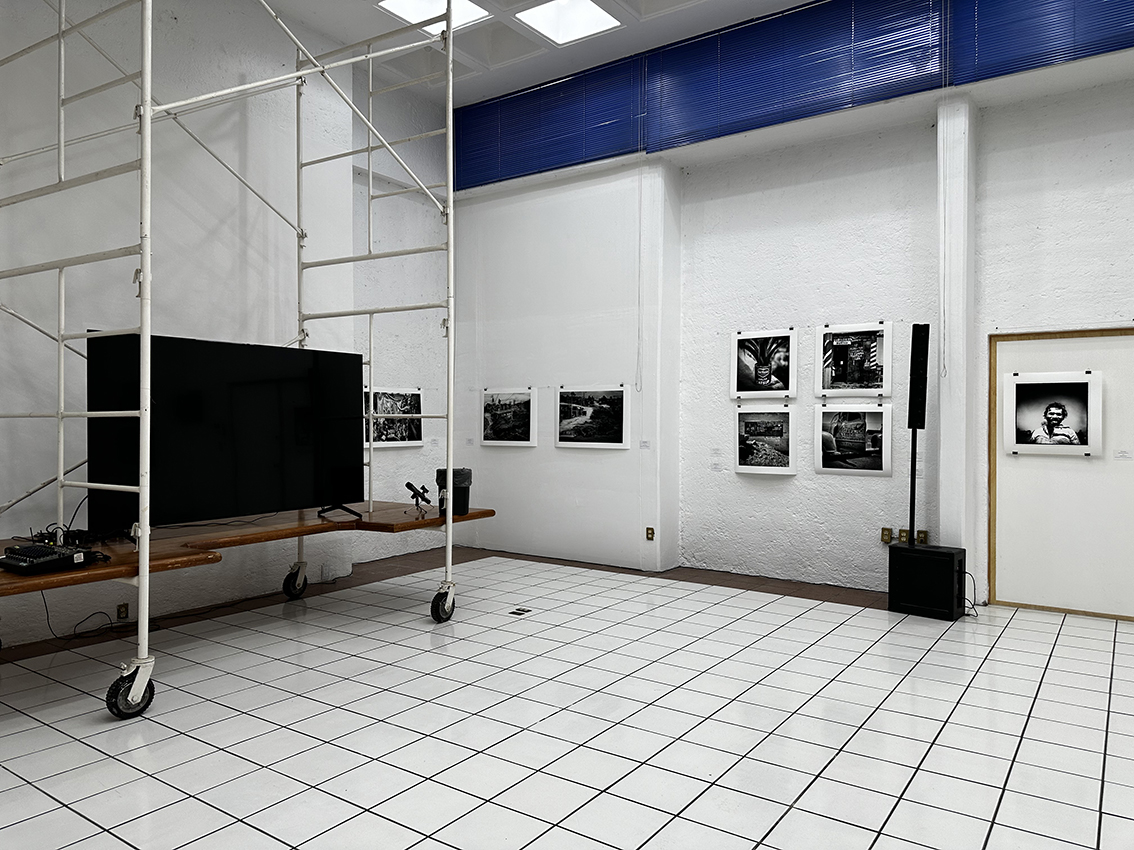
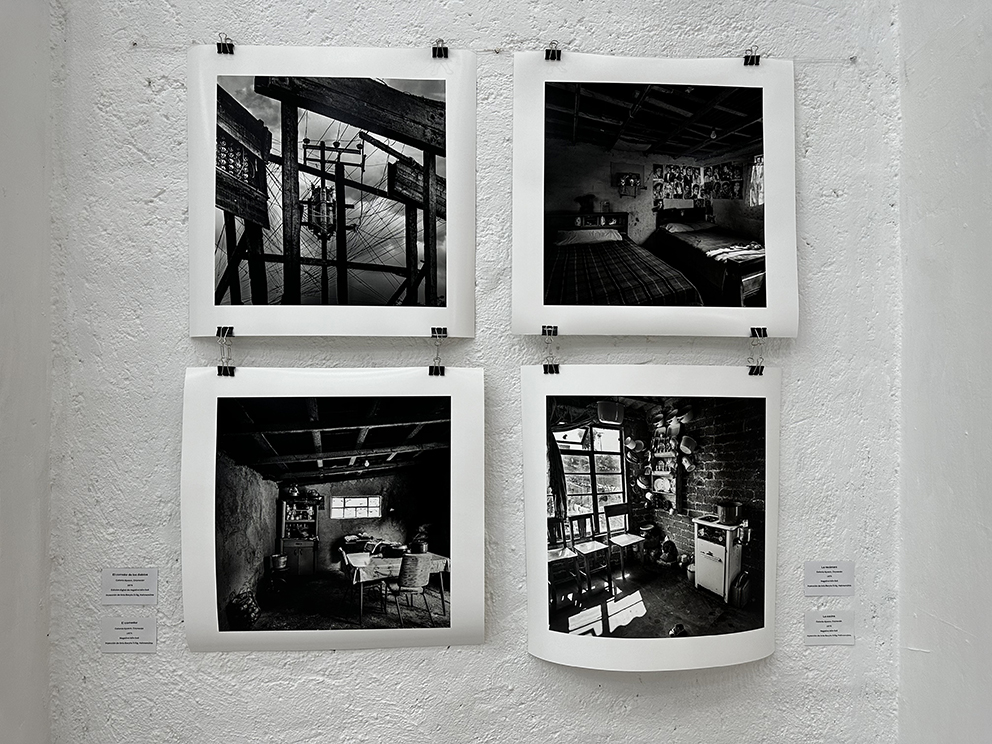
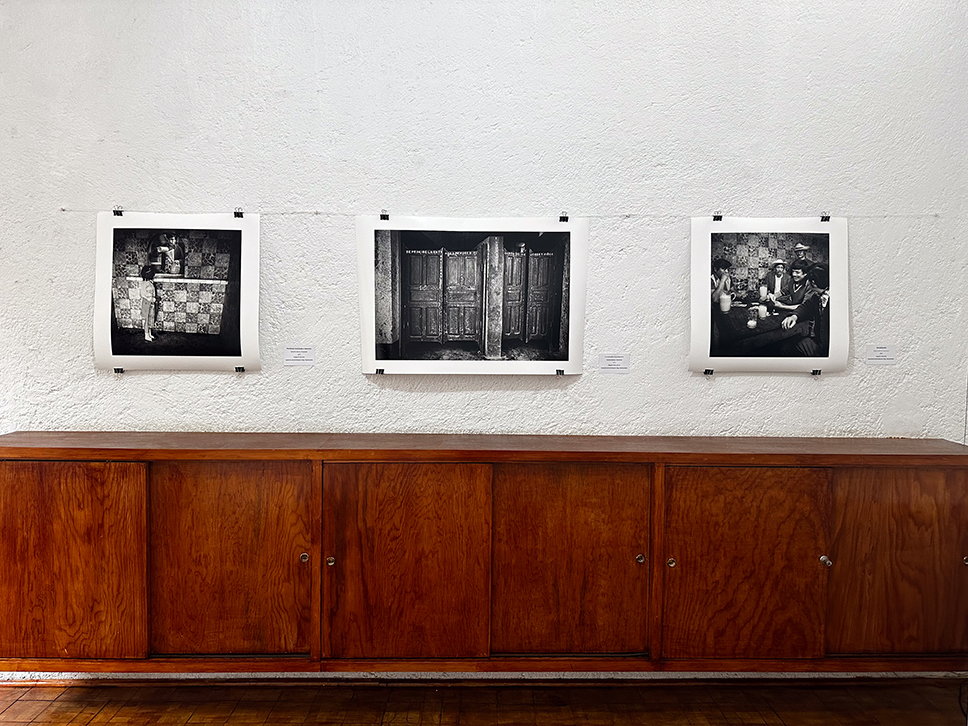
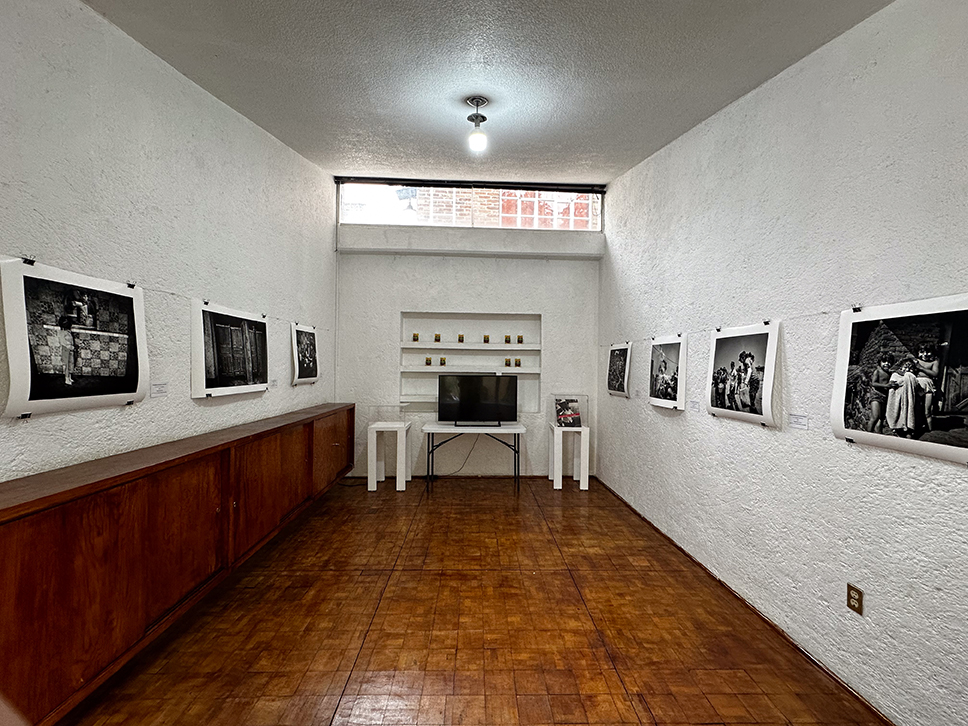
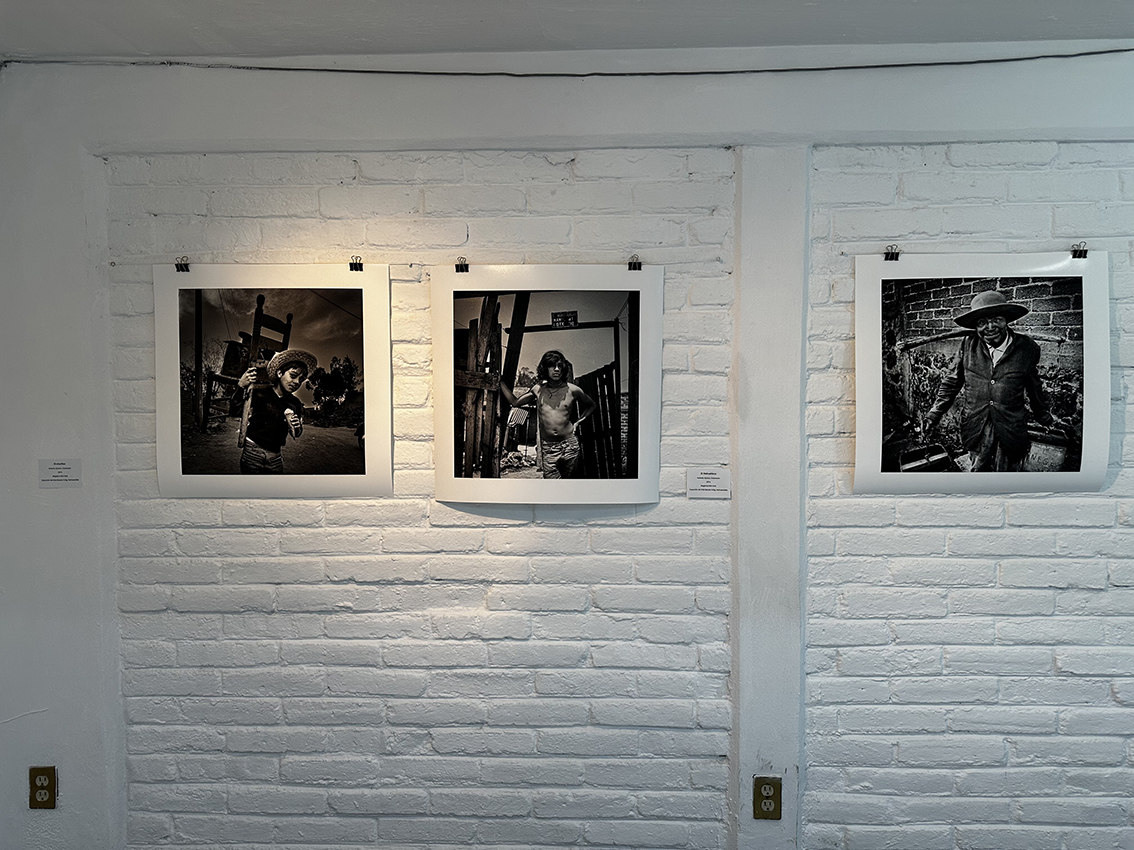
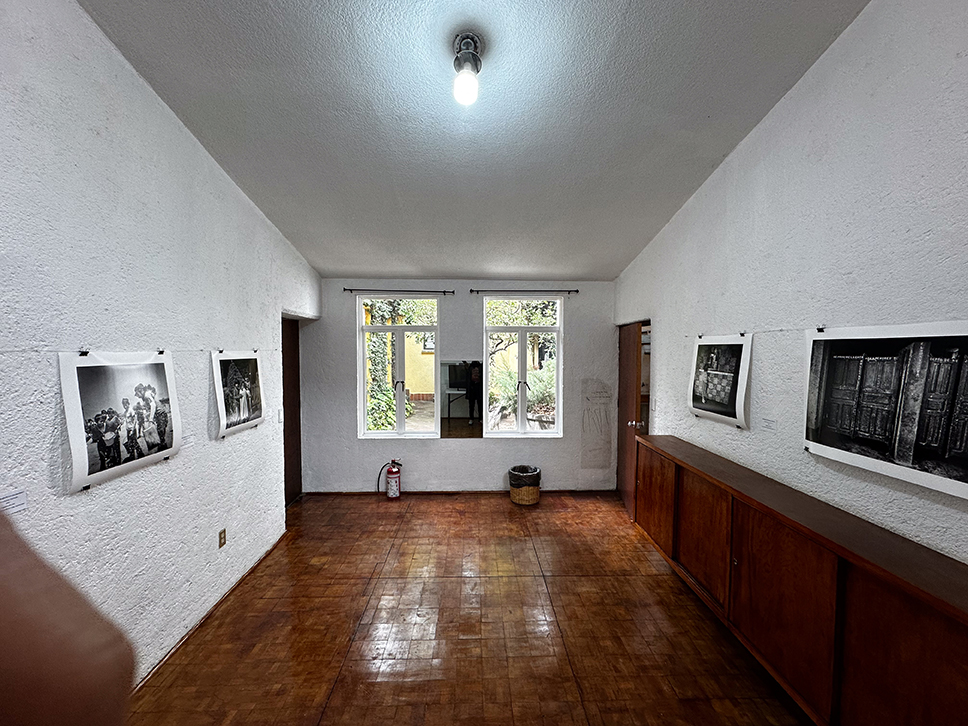
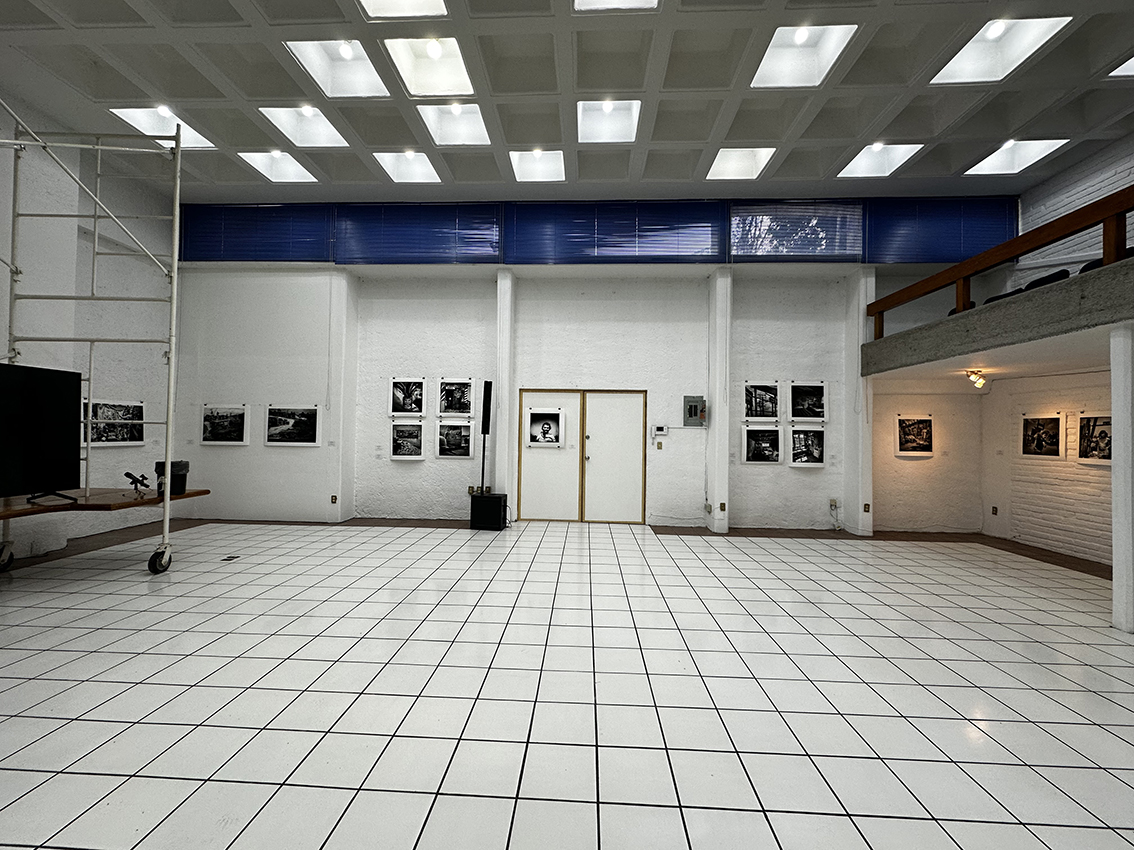
The drawings of the streets, the La Bola market, the many tangled cables of light and human connection, the water carrier who drew the vital liquid from the large pipe that fed the Azteca Stadium, the girls and boys taking a bath outside their homes, the plants planted in cans, the Jesuits, the families gathered together, the parties with music and pulque, the property plaques that adorned the entrances and above all the beauty, was what existed when Pedro Meyer arrived fifty years ago to take these powerful images that whisper to us multiple narratives about these root-people who sprouted from the same lava, from the same earth, from the same dust, from which we are all made, all of us here present.
El Ajusco continues and will continue its own course of movement. The buildings, the apartments, the colorful houses with castles toward the sky and the now paved streets, build the current middle-class neighborhood that shelters new families, new people and the new chaos: the new lava flow. It’s not the same as before, many have already left, but some of us founders still live there, they’re like my family.