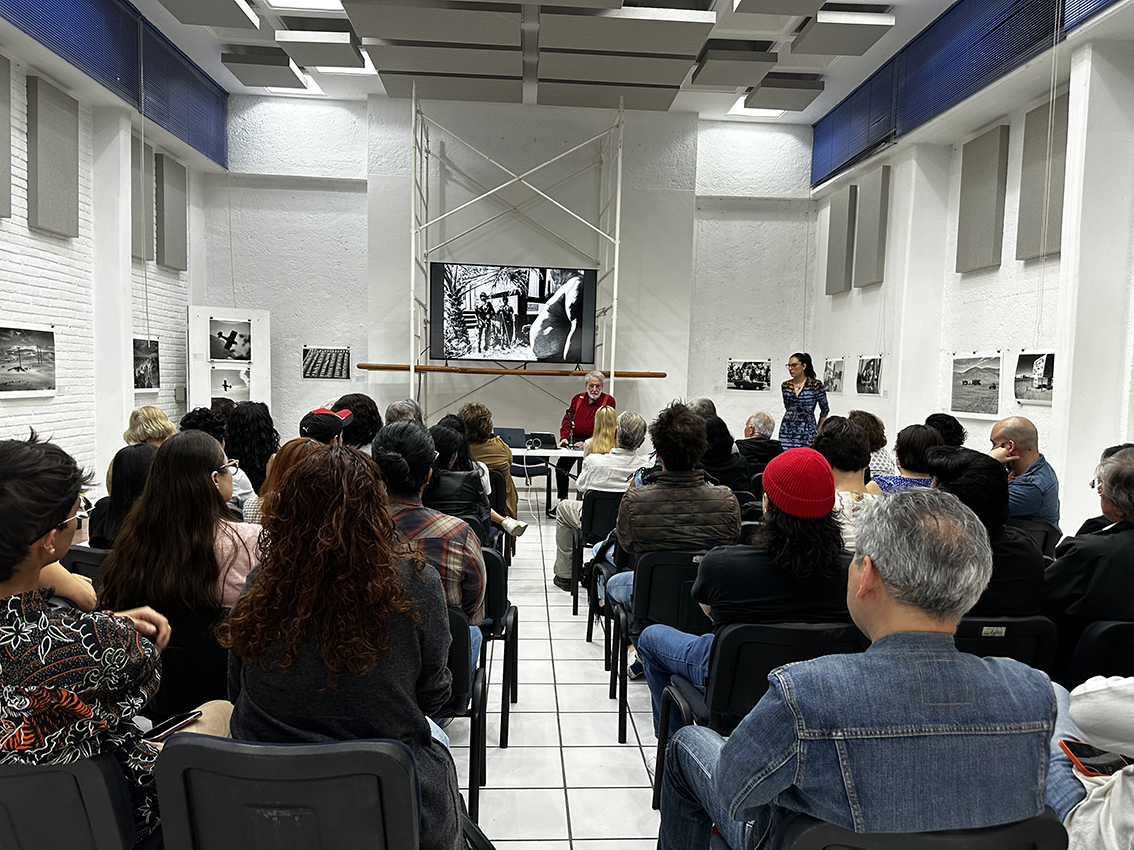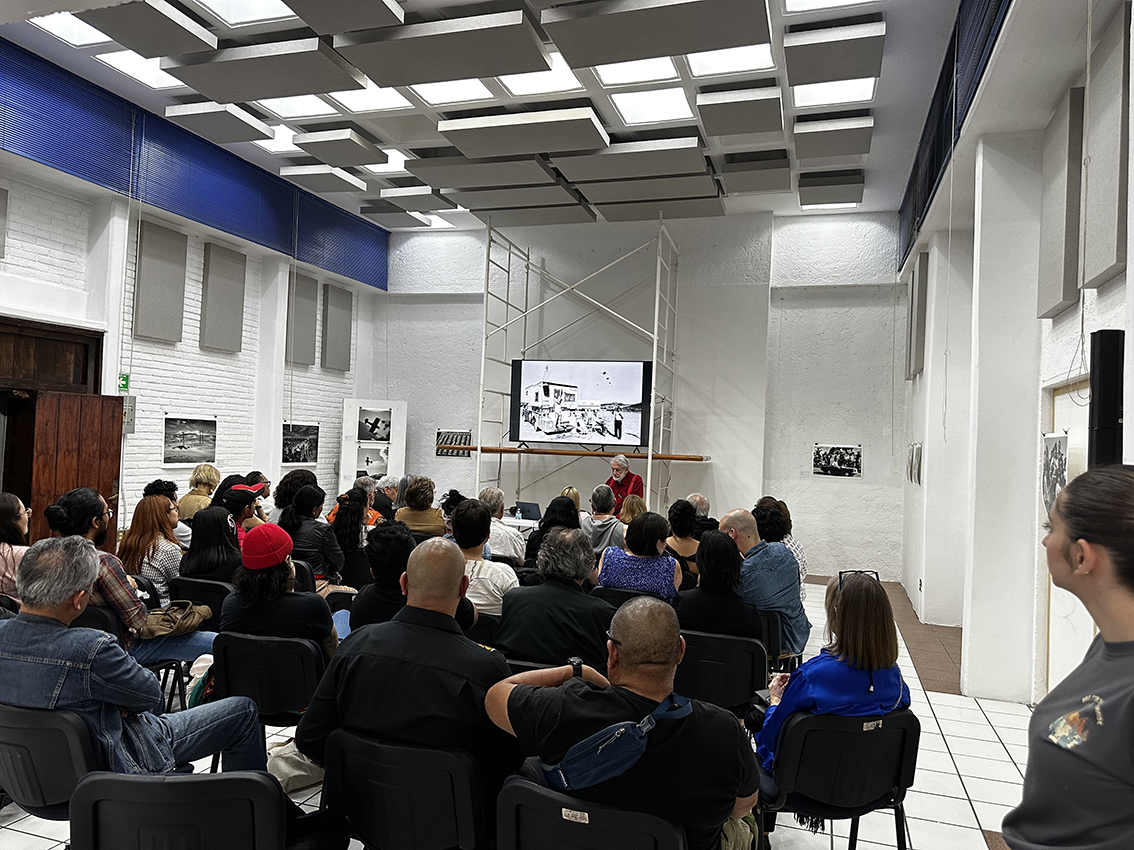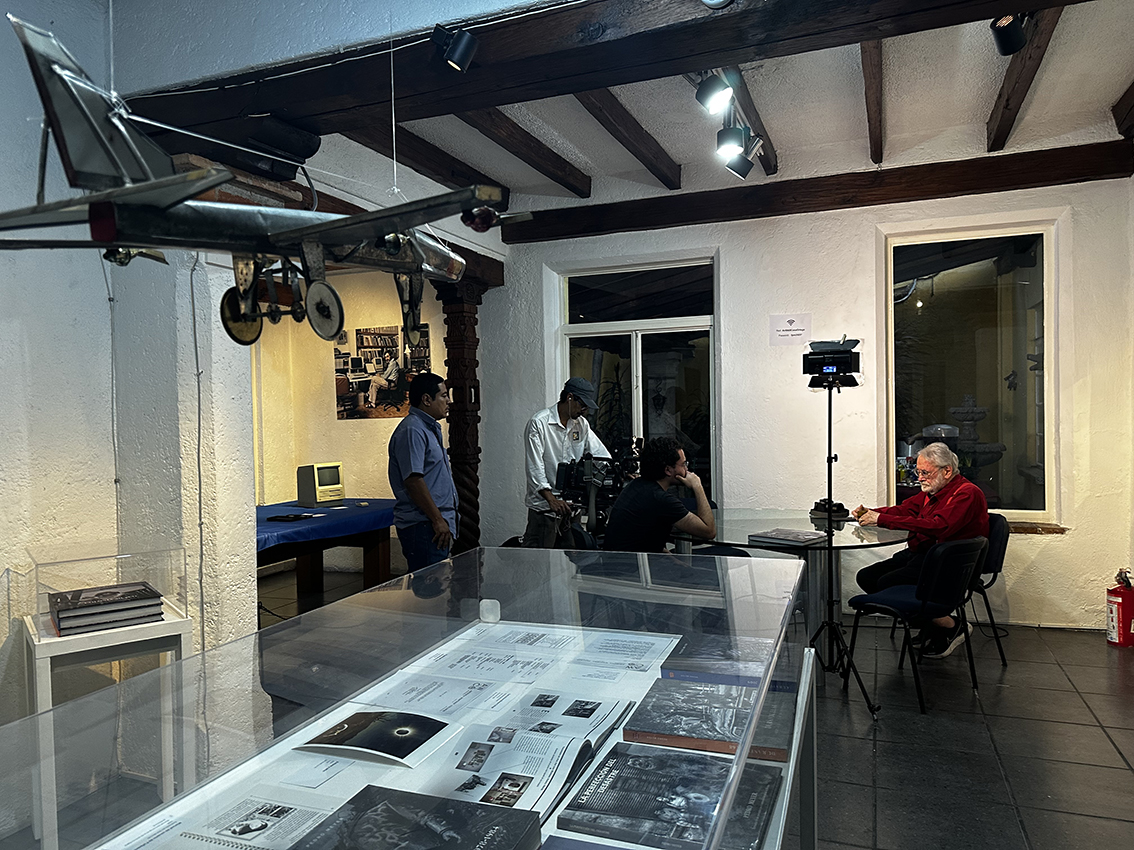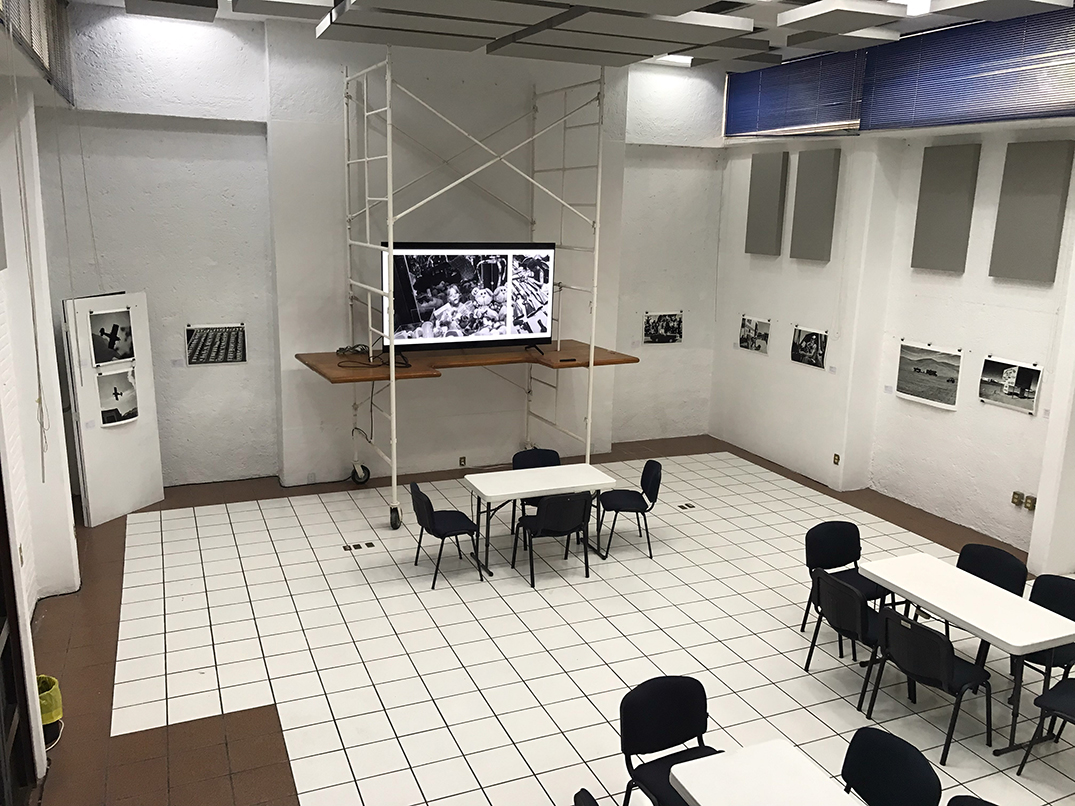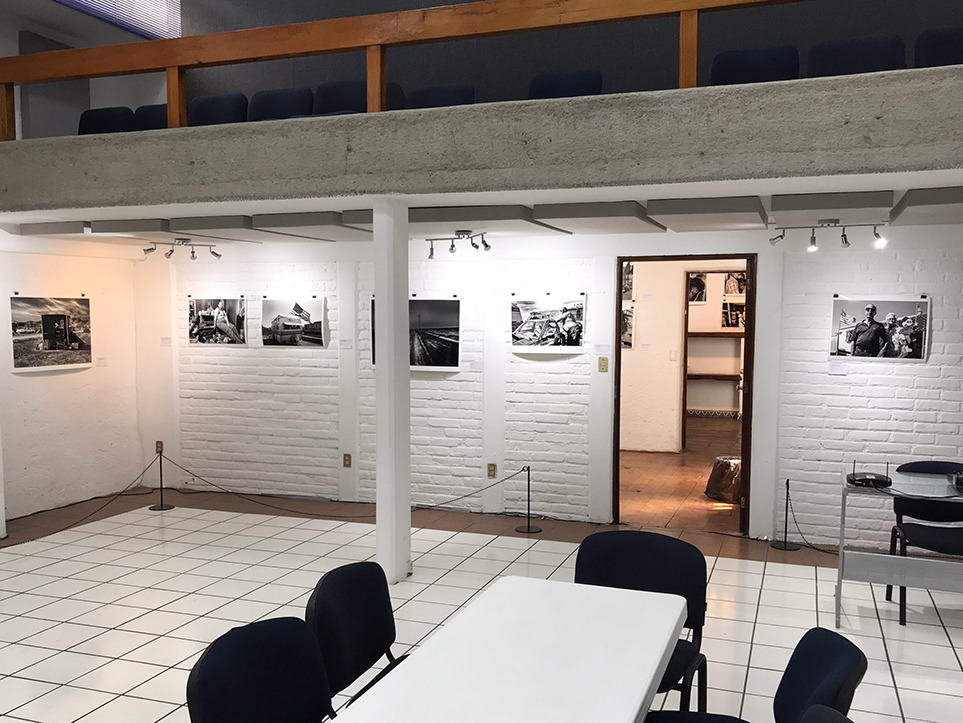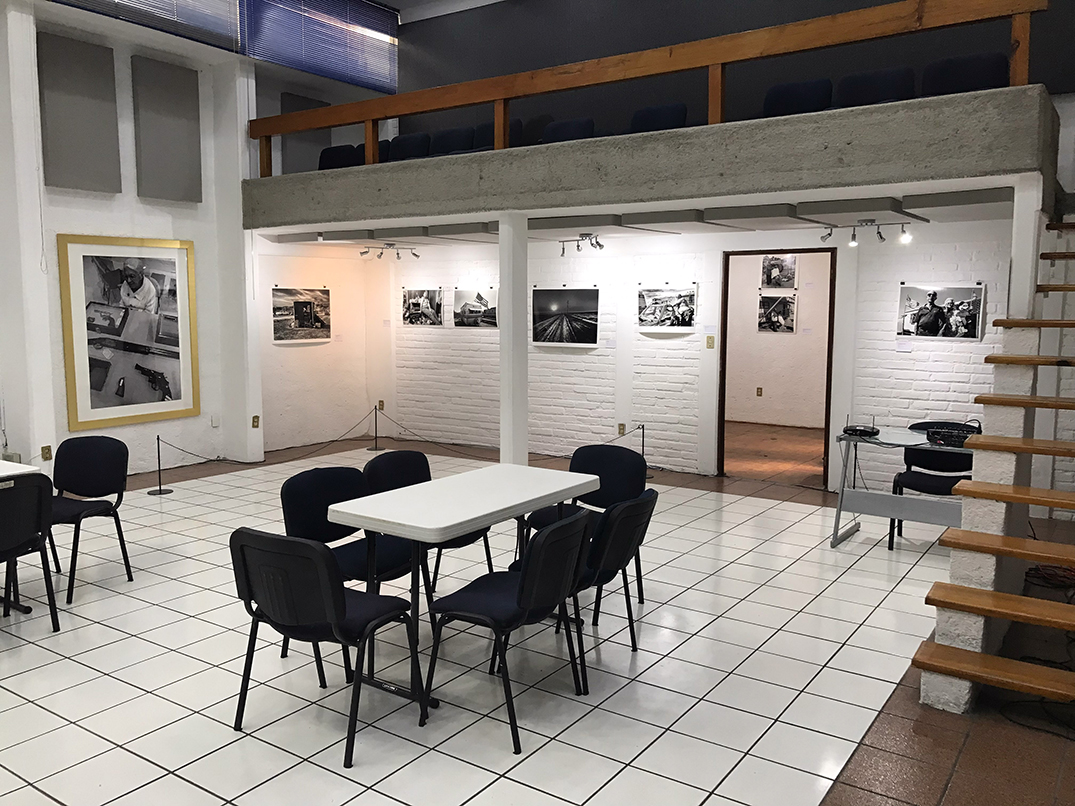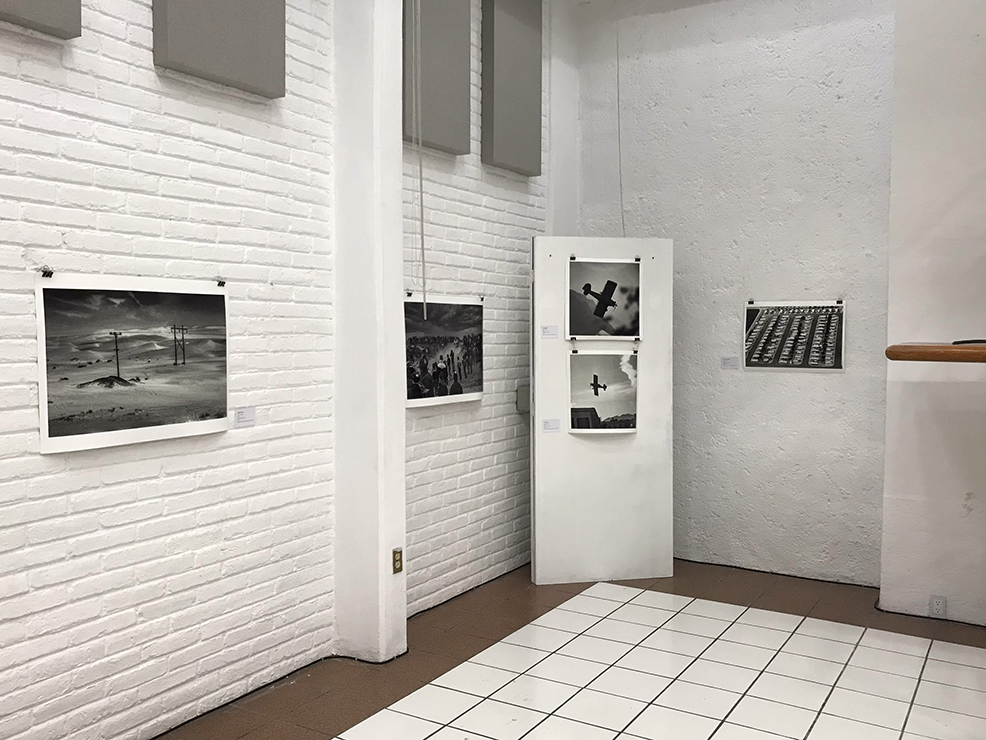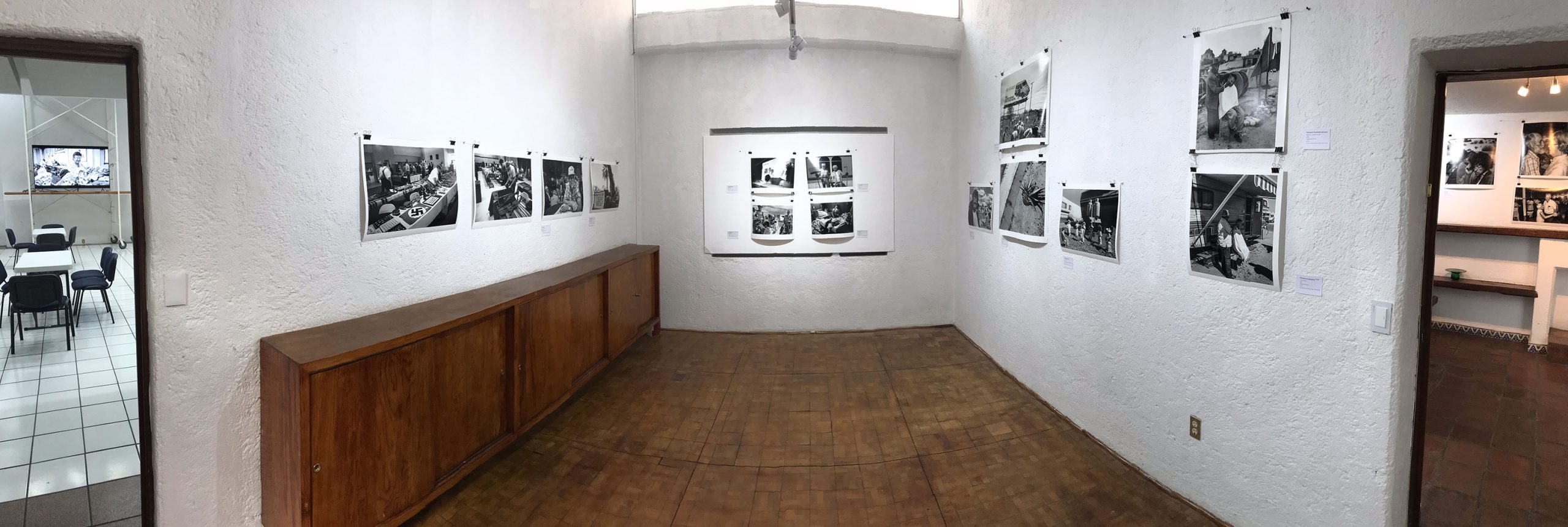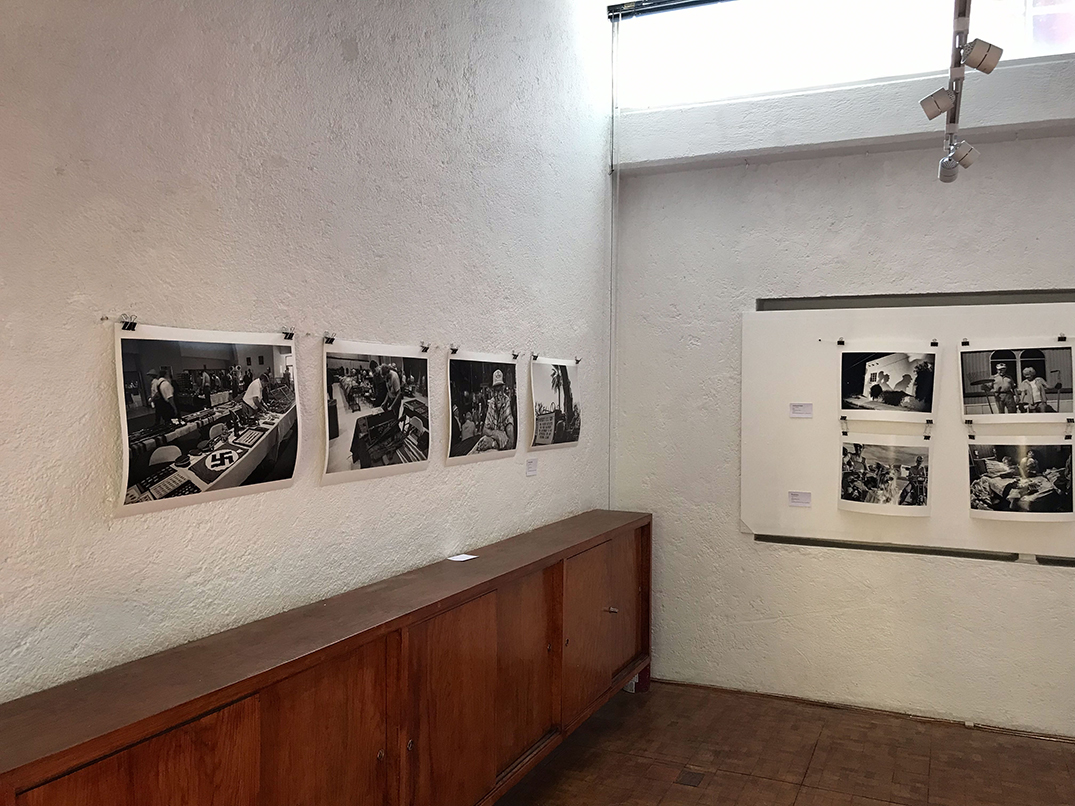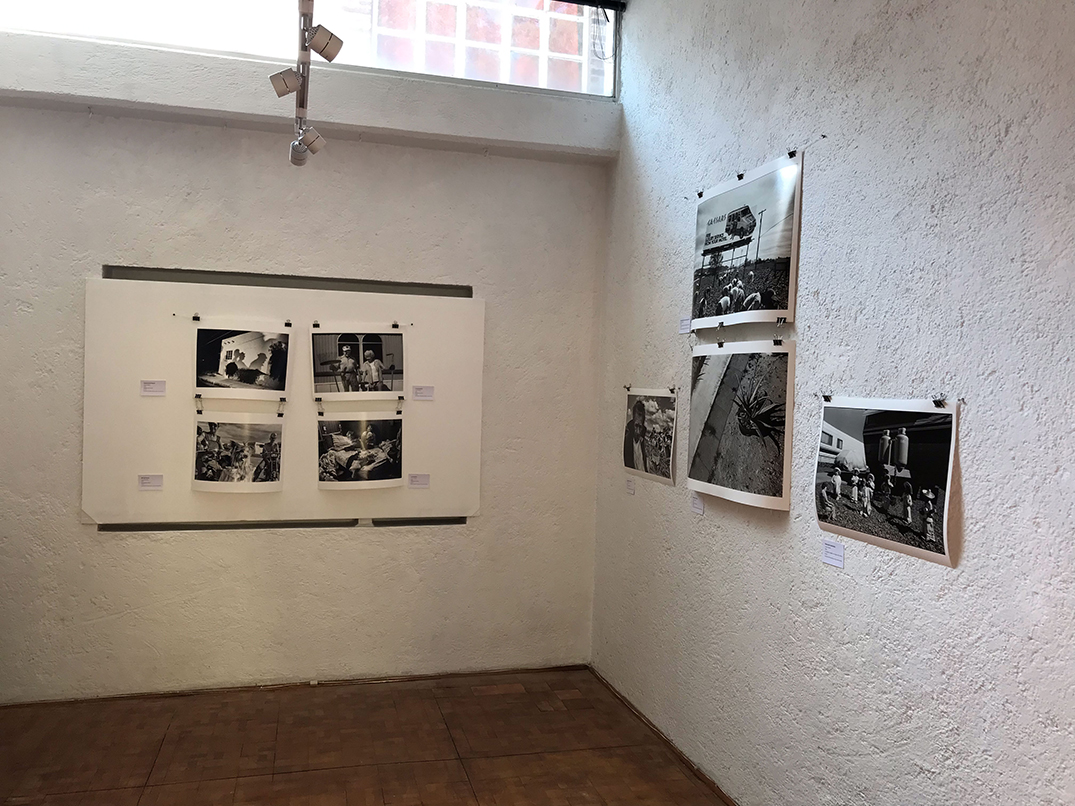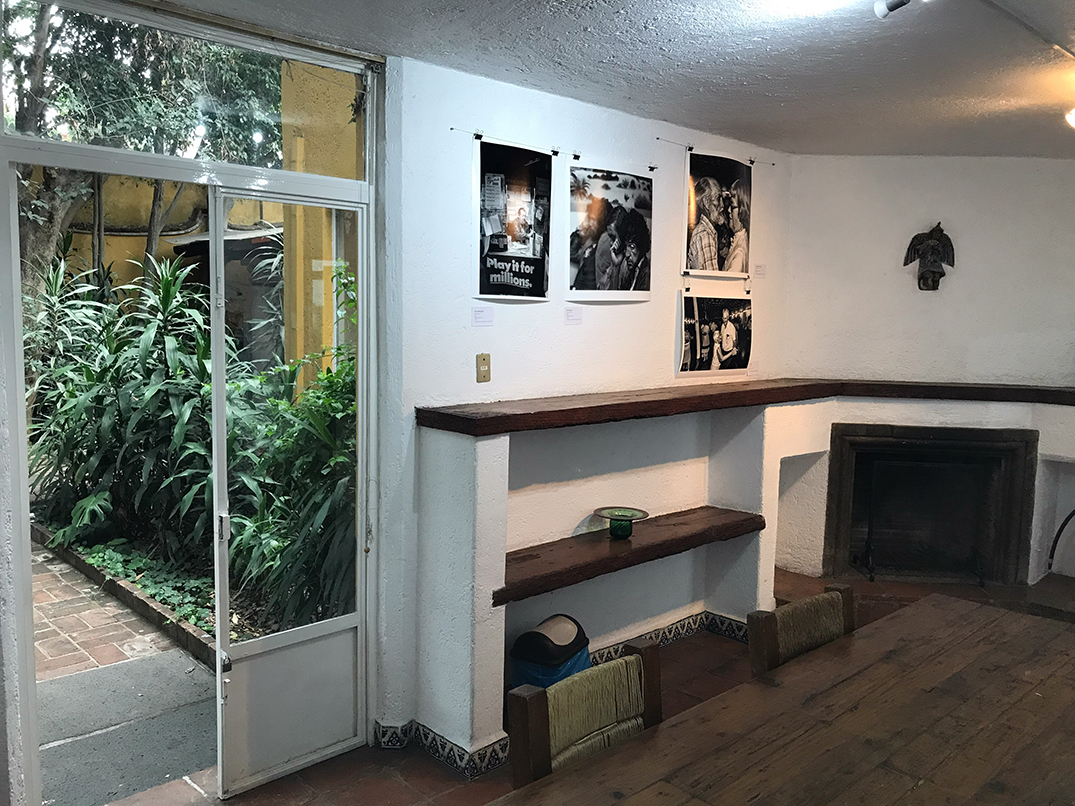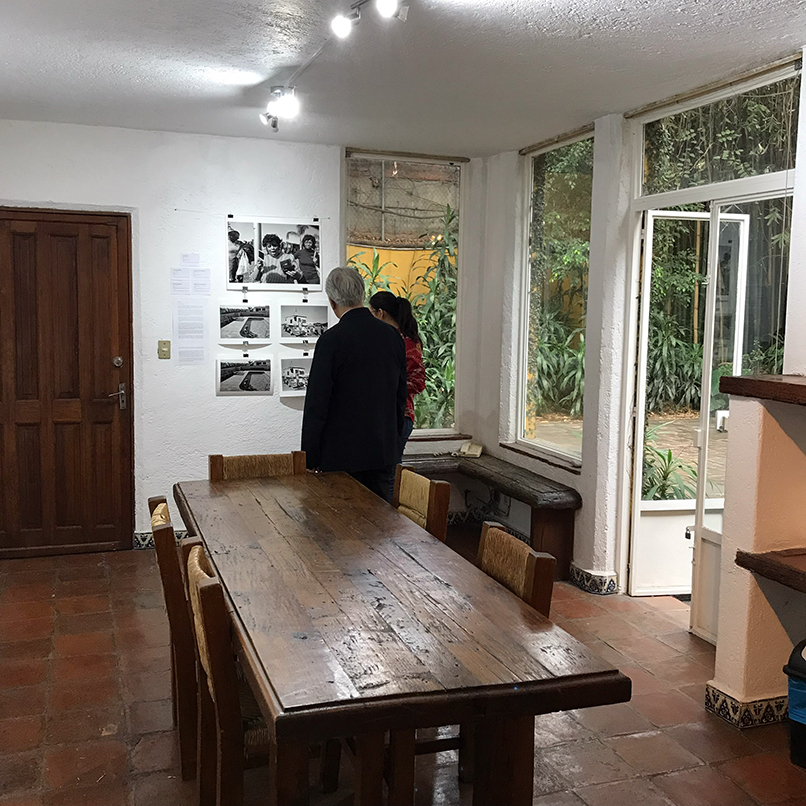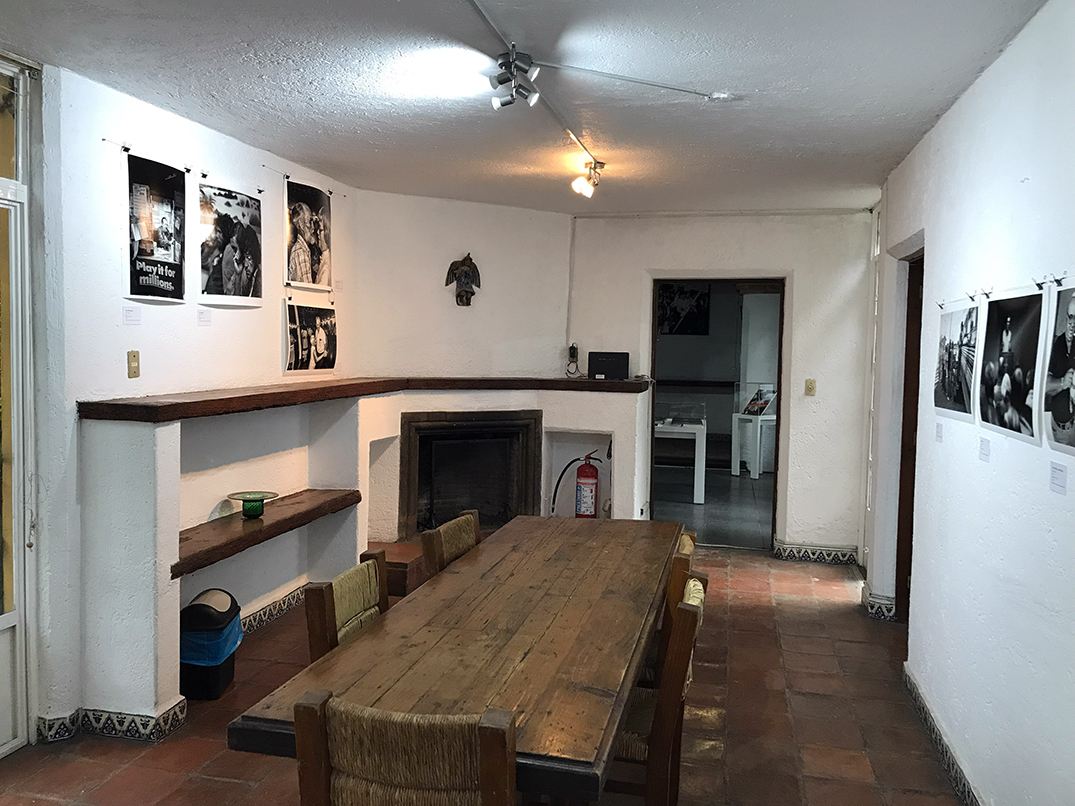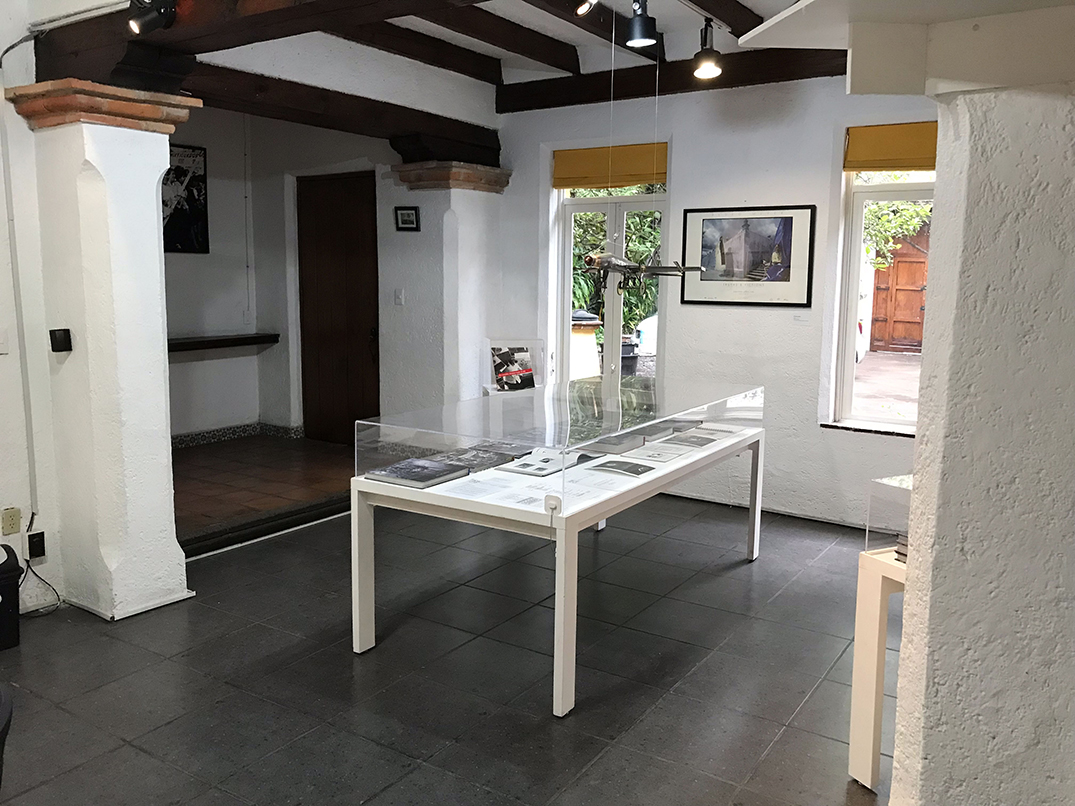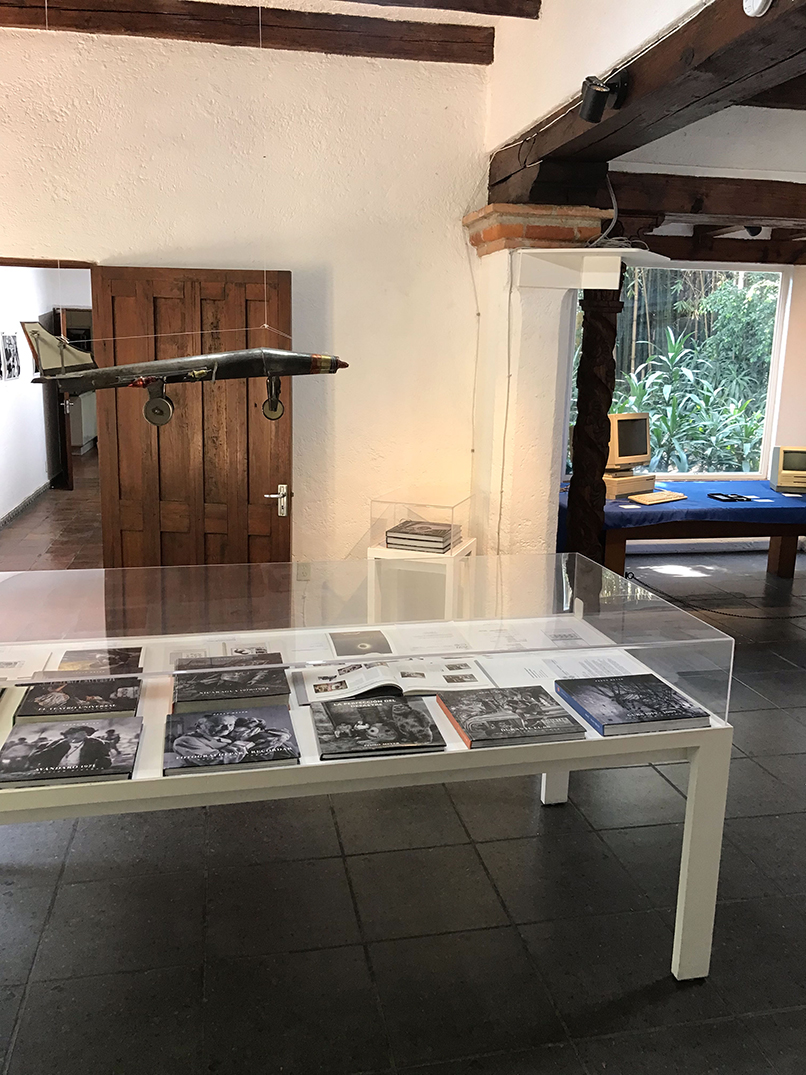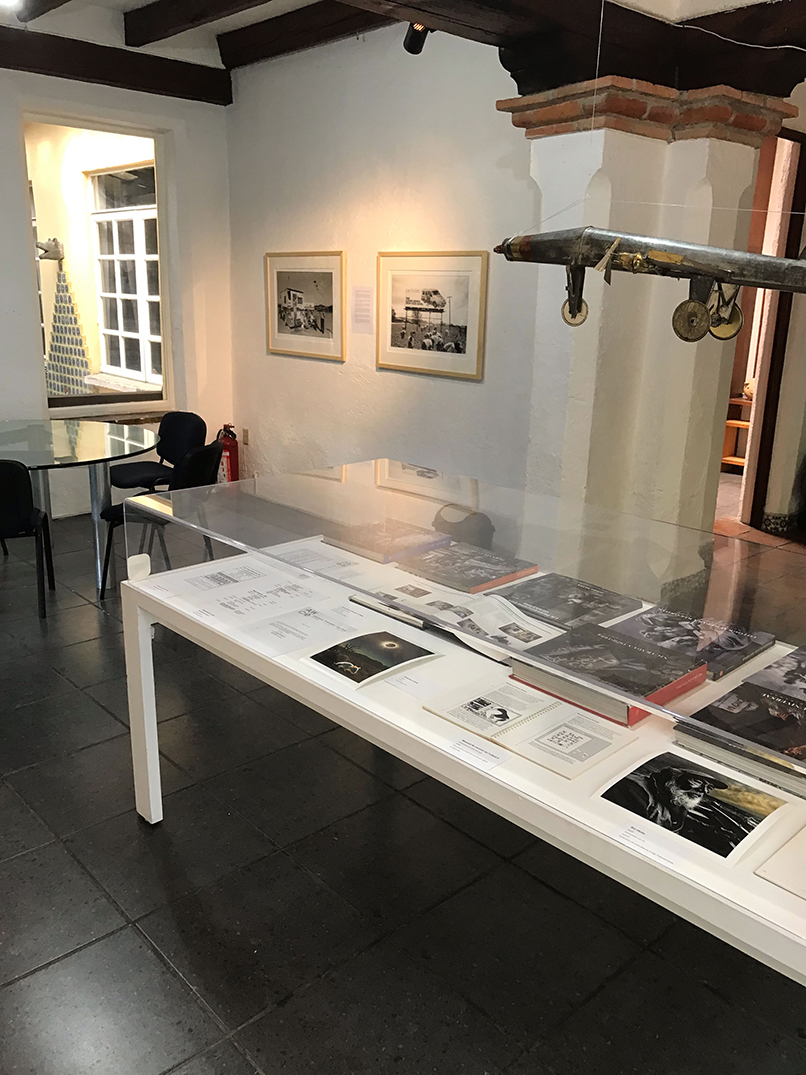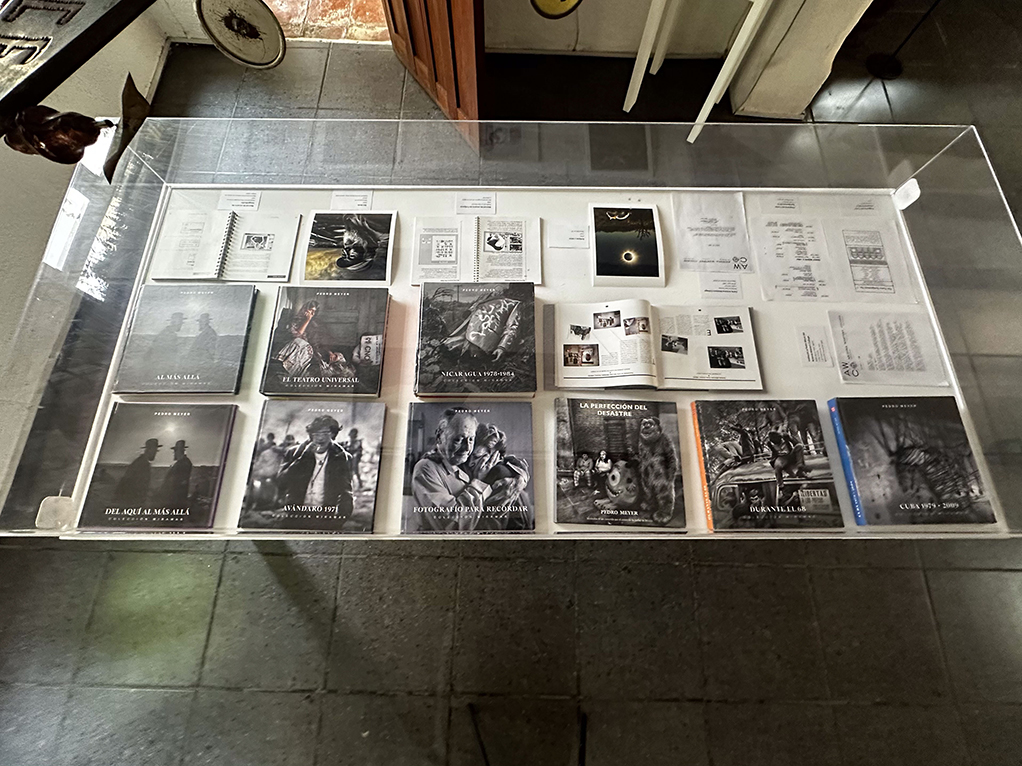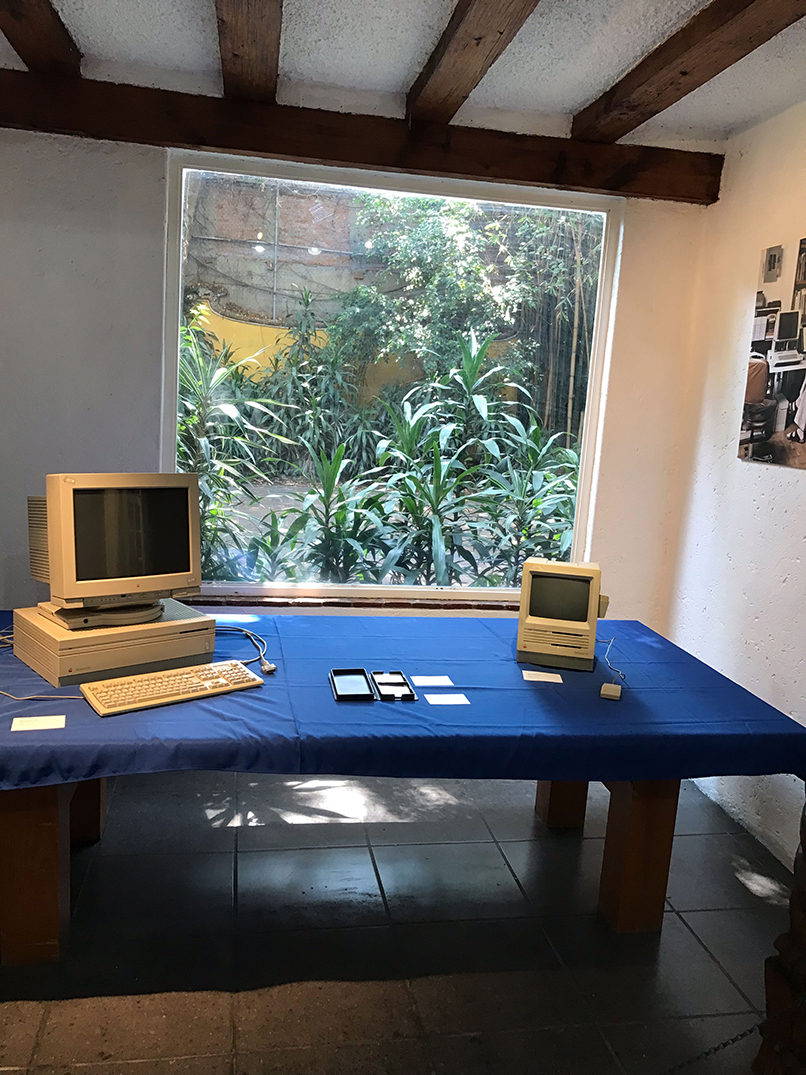
During the 1980s, Yuma, Arizona, was affected by policies of economic deregulation, tax cuts, and an increase in military spending under Ronald Reagan’s administration, alongside significant migration from Mexico that intensified cultural diversity and exacerbated racial and class tensions in a predominantly white and heteronormative community. In this context, photographer Pedro Meyer captured the essence of Yuma and its inhabitants, including the “Winterbirds,” temporary migrants in search of warmer climates, through a critical lens that also reflected his personal transition from analog to digital photography, as well as his father’s battle with cancer, addressing racial hegemony and the question of declining American ideals.
Meyer’s work, “Yuma 1984-1989”, goes beyond mere documentary record to become a complex visual study spanning social, political, technological, and anthropological dimensions, portraying everyday life in Yuma through social interactions, religious practices, and leisure activities. By integrating into the community without prejudice, Meyer captures a rich visual narrative that challenges perceptions of authenticity, especially in an era marked by photographic manipulation and skepticism toward the news. His work resonates today, connecting with current debates on migration,
fake news on social media, and the emerging impact of artificial intelligence on the creation of visual and textual content, underscoring the enduring relevance of the author’s central hypothesis: “An image is not a fact but merely an opinion”.