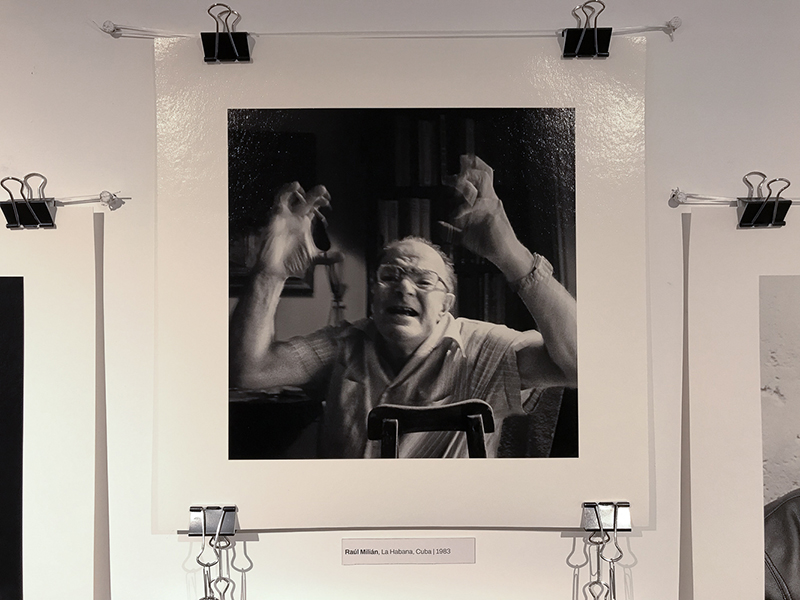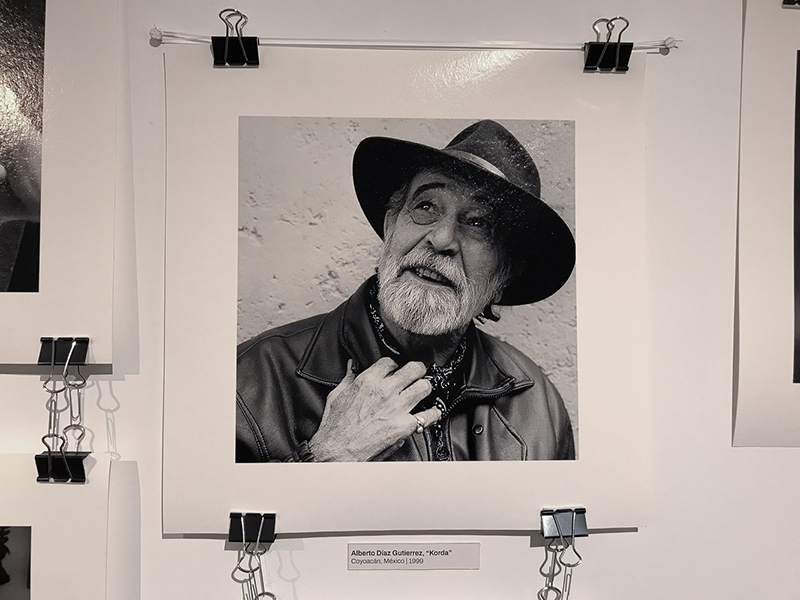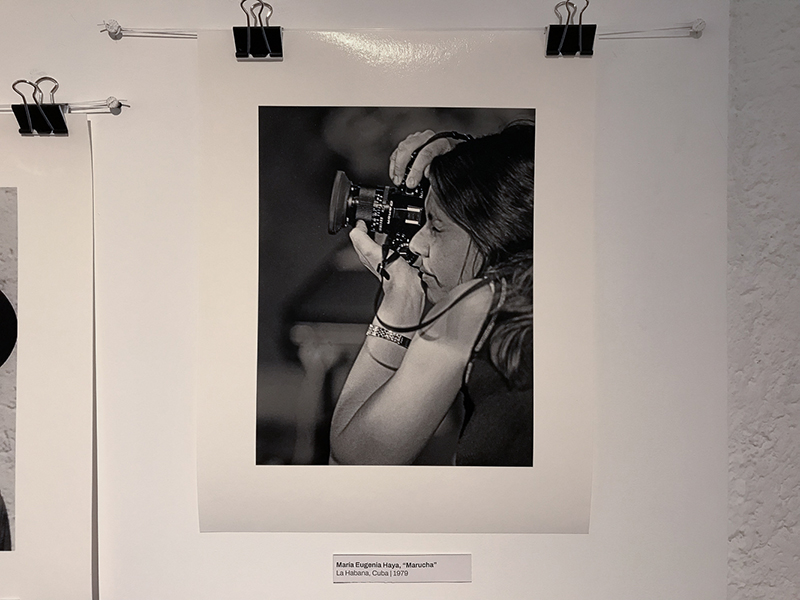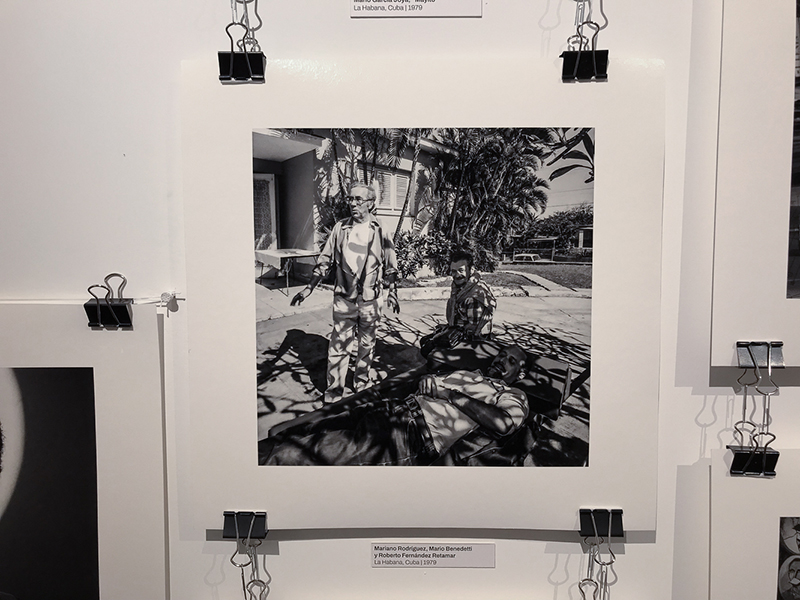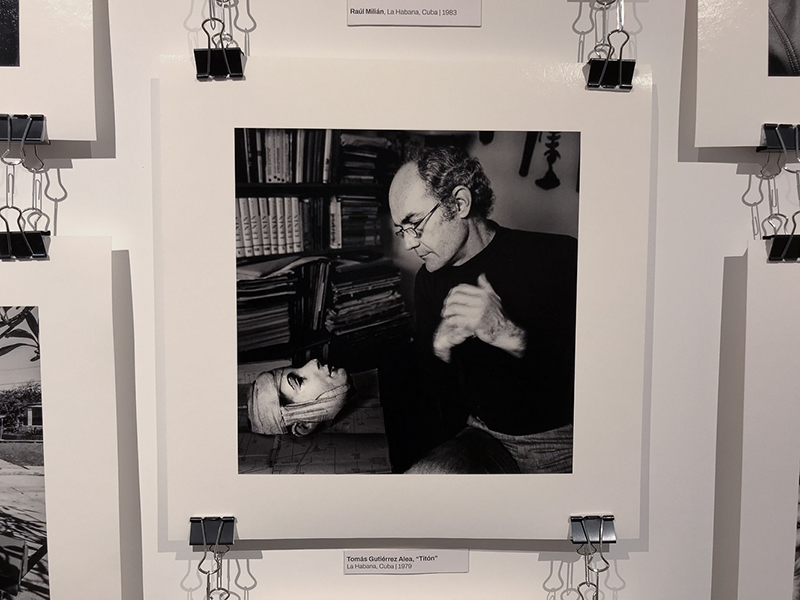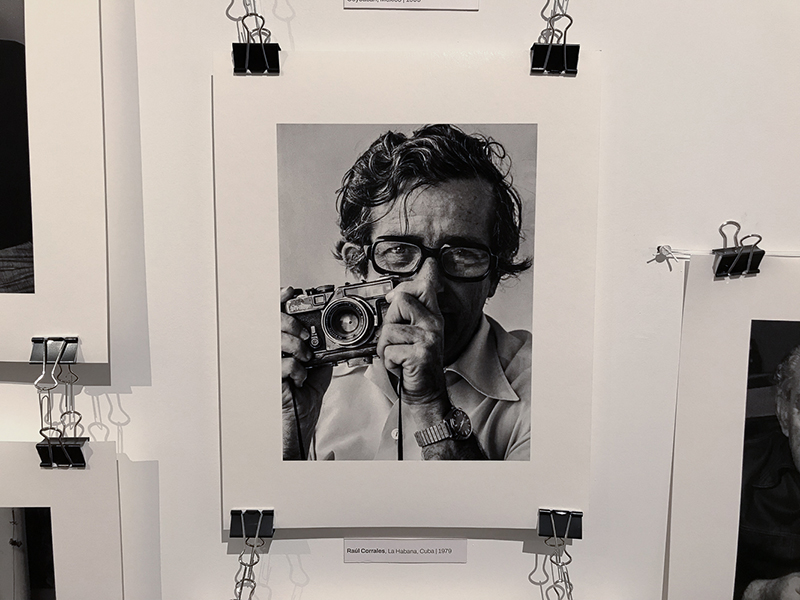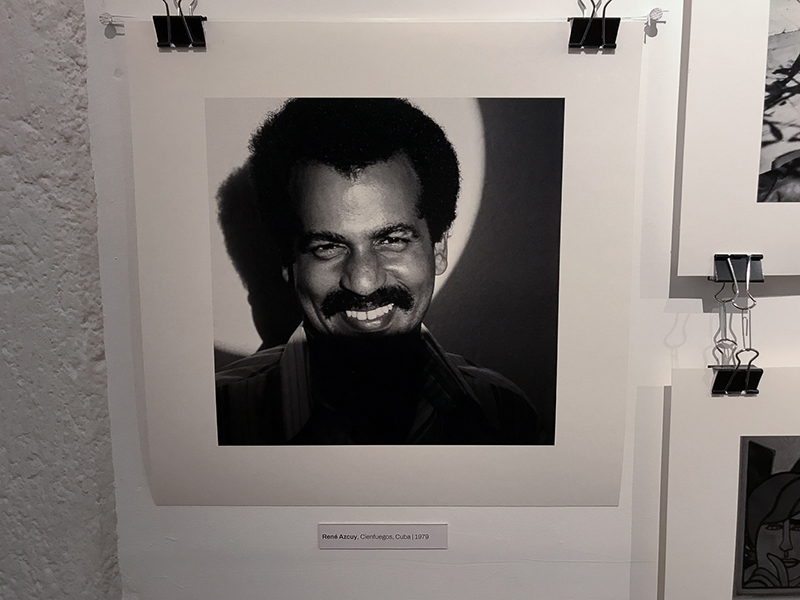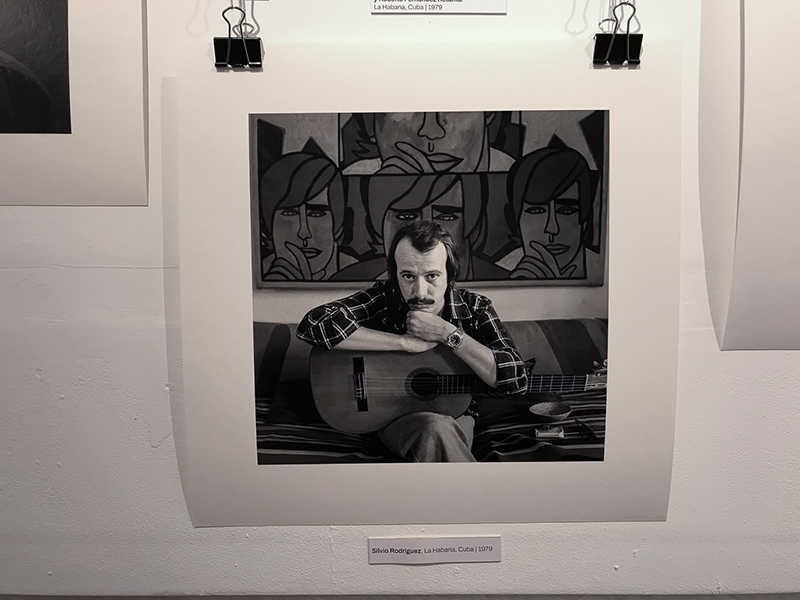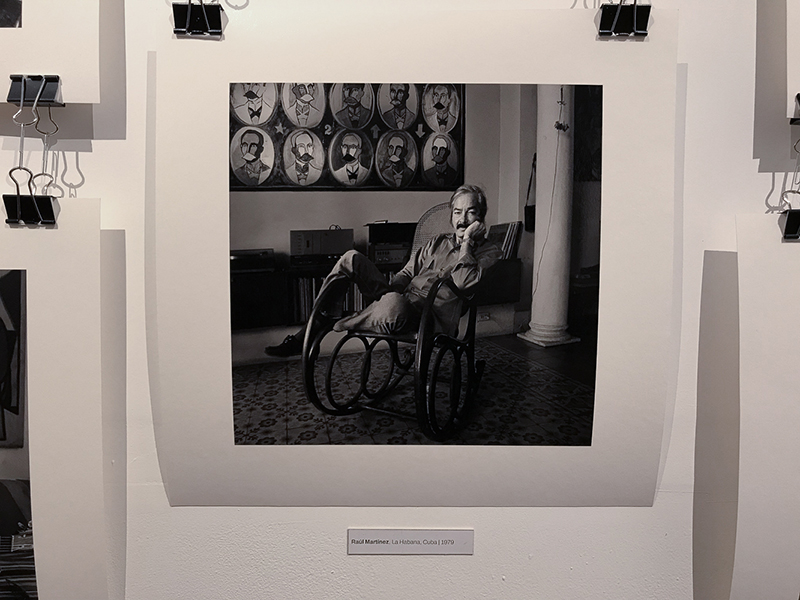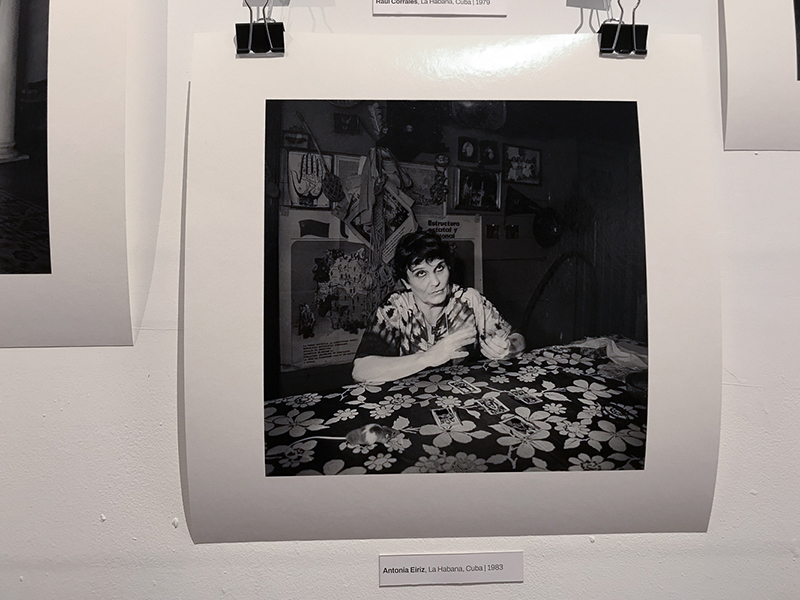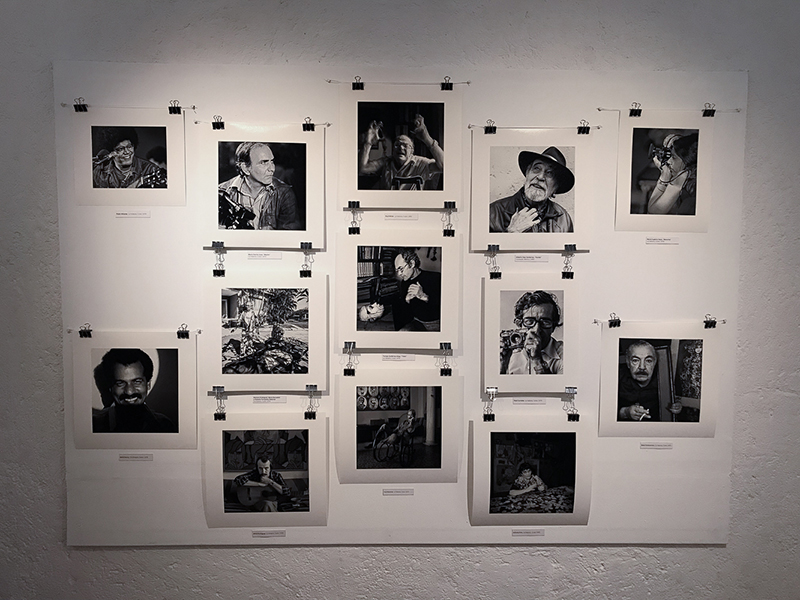
There are different types of dreams in photography, and this book-exhibition is one of them.
The book begins in the city—a place of light and life, of the abundance of the here, of the road that transforms things: things with their shadow and their memory; what things are. Time as discontinuity, unfolding with dancing and music, with smiles, with boys and girls; with fantasy. The fashion of hair rollers, shoes tailored to the soul, Che, landscapes, life in its multiple forms, cars, the Malecón. It is an emotional dance of images that at times can be perceived as cracked or crumbling, transmitting a diversity of mixed emotions in all their ranges. But they also allow the passage of light, which filters through the cracks, dissipating the darkness and creating new forms, like a rupture of reality.
Everything related to this exhibition is linked to the first Latin American Photography Colloquium, held in 1978 in Mexico City. This event was transcendental for photography on the continent, being the first in history to bring together photographers, critics, historians, and theorists to discuss the state of photography in the region and its discursive and narrative possibilities.
It all began to take shape when Pedro Meyer, through his own effort, took a box of photographs by members of the Arte Fotográfico group, to which he belonged, to New York to participate in a portfolio review at the Museum of Modern Art. The instructions were to leave the box at the reception for review. Upon picking up the box, which was intact, without even a note or sign that the photographs had been reviewed, Pedro, feeling humiliated, recognized that as a guild they lacked their own cultural structure, and that they had to take measures on their own so as not to depend on outsiders. Since they did not know each other, the first thing to do was to create a directory, and for three years he wrote letters using a typewriter and postage stamps to contact as many photographers as possible on the continent. This was how, little by little, the ground was prepared for the creation of the Colloquiums and other structures.
The second Latin American Colloquium was also held in Mexico in 1982, and the third in Havana in 1984, continuing the legacy of reflection and collaboration initiated in the first celebration. This third Colloquium reinforced the connection between the island and the Latin American photographic movement.
The book closes with the sea, the ultimate boundary of the island, where dreams come together. That sensitive space of melancholy waves, furious at times, peaceful at others, which reminds us of the first impressions left by all these powerful photographs. I invite you to enjoy the journey.